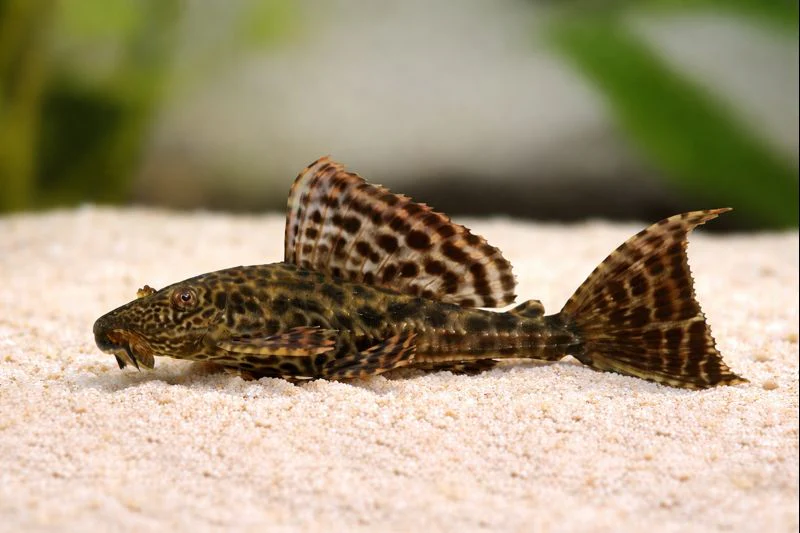
Pleco L001
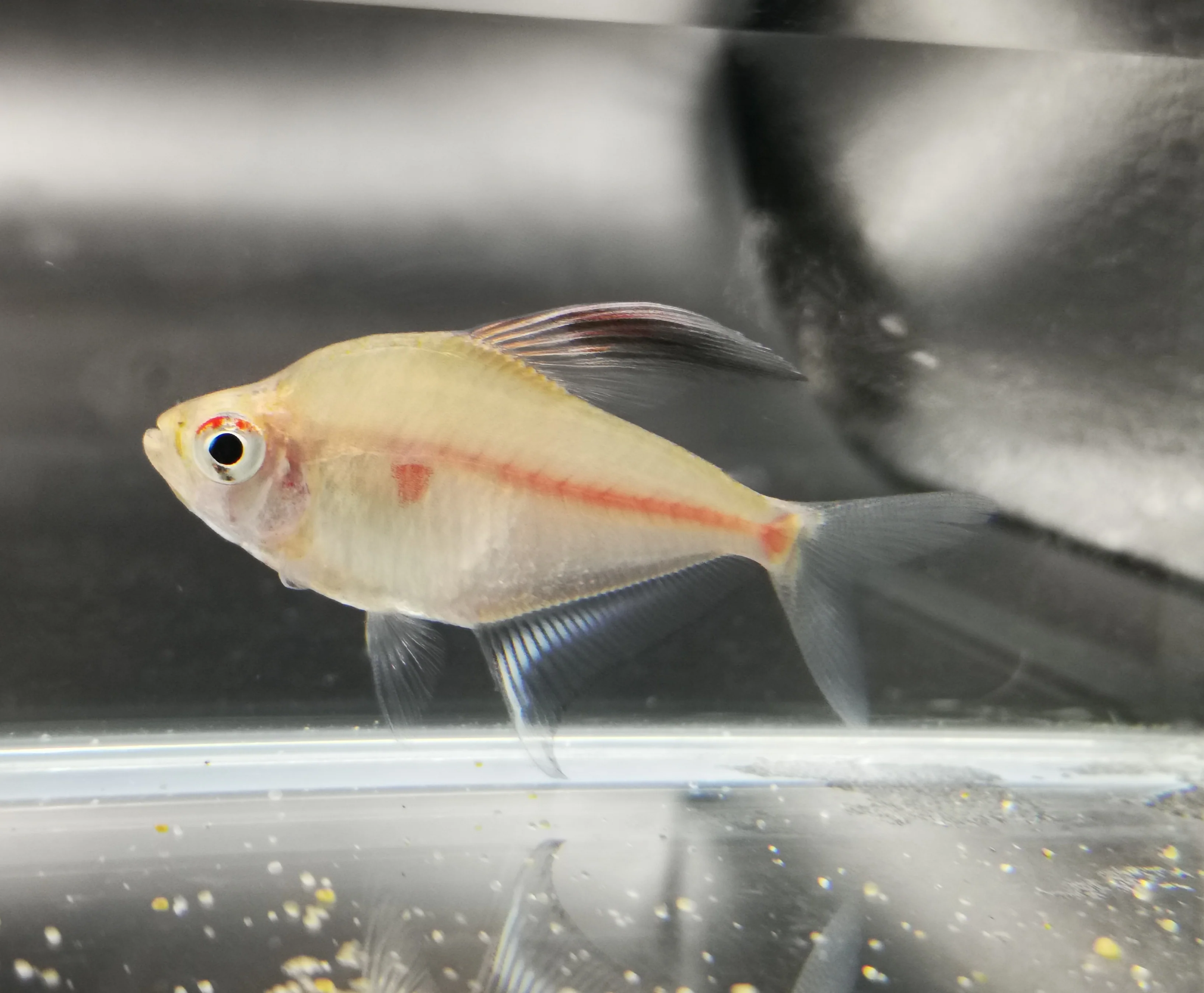
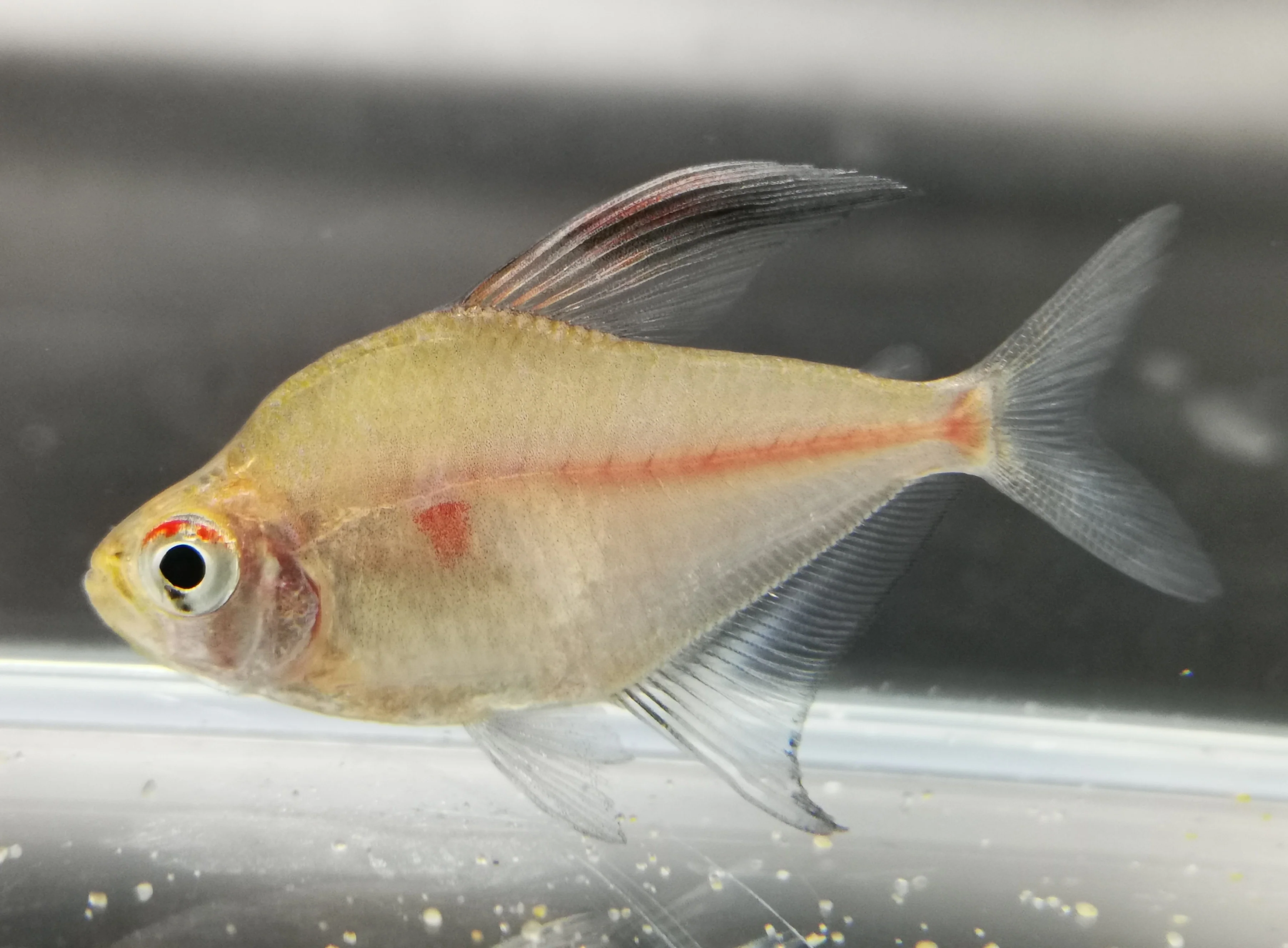
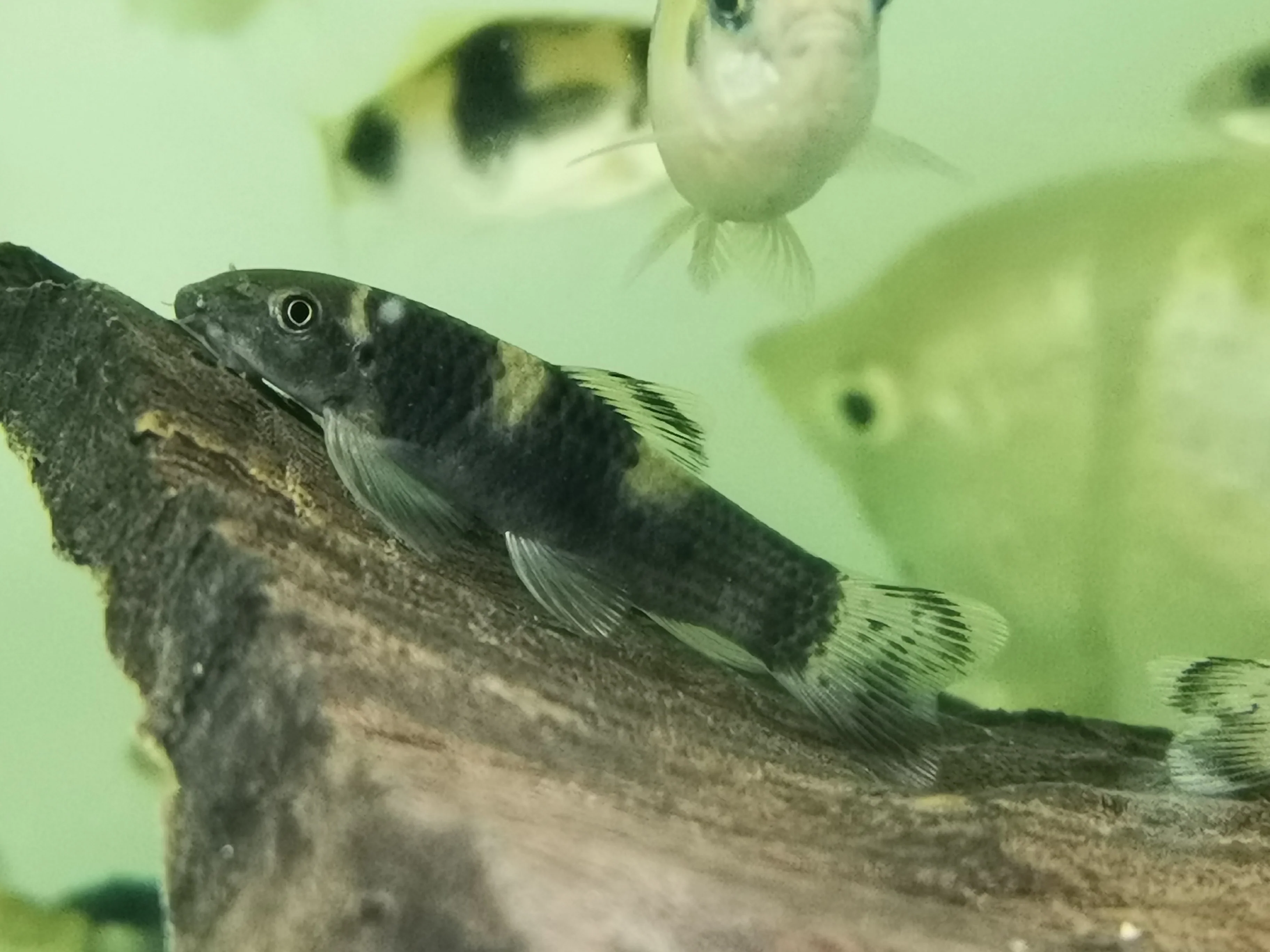
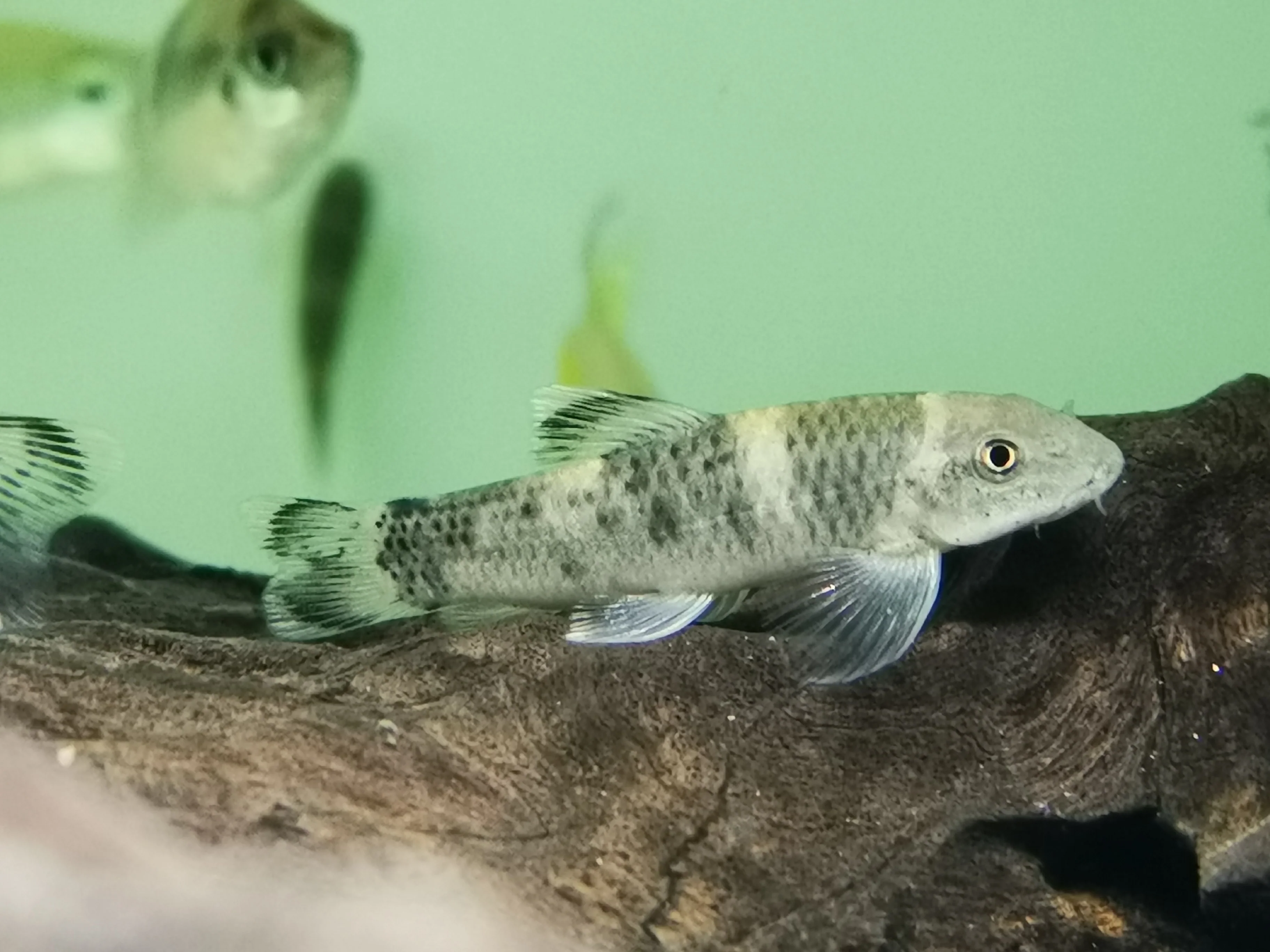
Common Pleco (Hypostomus plecostomus) is a hardy, algae-eating catfish ideal for established freshwater aquariums. These nocturnal bottom-dwellers grow to 12 inches or larger and require spacious tanks with driftwood for rasping and hiding. They consume algae wafers and sinking pellets, reducing algae buildup naturally. Plecos thrive in neutral to slightly acidic water (6.5–7.5 pH) with moderate flow and temperatures between 72–82°F. Best suited for intermediate to advanced aquarists managing larger systems, they're compatible with peaceful community fish but may uproot plants and produce substantial bioload.
Original: $2.35
-70%$2.35
$0.70Pleco L001
Common Pleco (Hypostomus plecostomus) is a hardy, algae-eating catfish ideal for established freshwater aquariums. These nocturnal bottom-dwellers grow to 12 inches or larger and require spacious tanks with driftwood for rasping and hiding. They consume algae wafers and sinking pellets, reducing algae buildup naturally. Plecos thrive in neutral to slightly acidic water (6.5–7.5 pH) with moderate flow and temperatures between 72–82°F. Best suited for intermediate to advanced aquarists managing larger systems, they're compatible with peaceful community fish but may uproot plants and produce substantial bioload.
Product Information
Product Information
Shipping & Returns
Shipping & Returns
Description
Common Pleco (Hypostomus plecostomus) is a hardy, algae-eating catfish ideal for established freshwater aquariums. These nocturnal bottom-dwellers grow to 12 inches or larger and require spacious tanks with driftwood for rasping and hiding. They consume algae wafers and sinking pellets, reducing algae buildup naturally. Plecos thrive in neutral to slightly acidic water (6.5–7.5 pH) with moderate flow and temperatures between 72–82°F. Best suited for intermediate to advanced aquarists managing larger systems, they're compatible with peaceful community fish but may uproot plants and produce substantial bioload.